
Property inspections
A practical move-in inspection checklist
Walk the property room by room, record its condition with useful photos, and leave the handover with a clear list of actions.
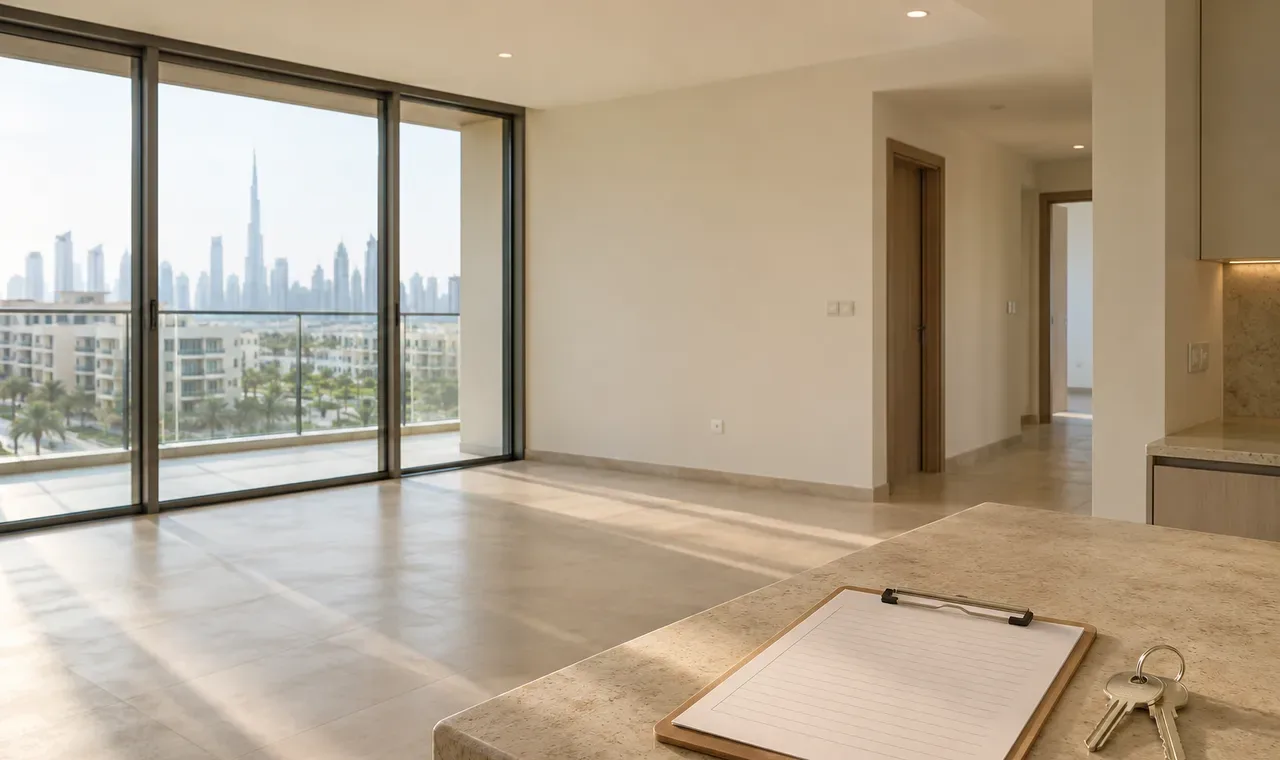
A move-in inspection gives the manager and tenant a shared picture of the property on the day the keys change hands. Set aside enough time to test what you can, photograph the condition and write down what still needs attention. Use the same room names and descriptions in the checklist and the photos so someone can reconstruct the visit later.
Prepare before the visit
- Confirm the building, unit, date and names of the people attending.
- Bring the inventory for furnished properties and any existing condition record for comparison.
- Gather the keys, access cards and remotes so you can count and test them together.
- Arrange access to meter readings if relevant. Record who will follow up if a meter or service cannot be checked on the day.
Walk through in the same order each time
Start at the entrance and work around the property in a consistent sequence. For each room, record whether items were checked, a concern was found, or the item could not be tested.
| Area | What to check | What to record |
|---|---|---|
| Entry and security | Door, lock, intercom, keys and cards | How many items were handed over and which were tested |
| Living areas and bedrooms | Walls, flooring, lights, switches and windows | Location and size of any visible marks or damage |
| Kitchen | Tap, sink, cabinets and supplied appliances | What was tested, visible leaks or wear, and any missing inventory |
| Bathrooms | Taps, toilet, drains, ventilation and seals | Slow drainage, moisture marks or broken fittings |
| Air conditioning | Controls and airflow where testable | Whether it ran and any rooms with weak airflow or unusual noise |
| Balcony and storage | Doors, access, visible condition and loose items | Anything awaiting removal, repair or a specialist inspection |
Leave electrical, gas and other specialist checks to the appropriate qualified person. Use “not tested” where a service was off or an item could not be checked.
Take photos someone else can use
Take an overview of each room, then a closer picture of anything you describe. Name the room in the notes and connect each close-up to its specific observation. A line such as “Bedroom two, left side of the window frame, small chip” is more useful than “window damaged.” Keep tenant identification and other private material out of the photos.
Close the handover with a short action list
Record what was agreed, who will follow up and when the next update is expected. Give both parties access to the record and distinguish original observations from later changes. If an issue turns into a maintenance request, keep the request linked to the same property record. Read what to look for in property-management software for more on keeping those records findable.